
CARTER COUNTY, TN — Angela Lipps is asking for $10 million in a federal lawsuit that says a facial-recognition error sent her into custody for nearly six months over bank fraud allegations in North Dakota. Her attorneys say Fargo police relied on a computer match without doing the basic follow-up needed to confirm whether she was actually the suspect.
Lipps has said she has never been to North Dakota. The lawsuit claims officers treated an AI-generated lead as if it were proof, then moved forward with an arrest that left her jailed first in Tennessee and later in North Dakota.
How the arrest unfolded in Tennessee
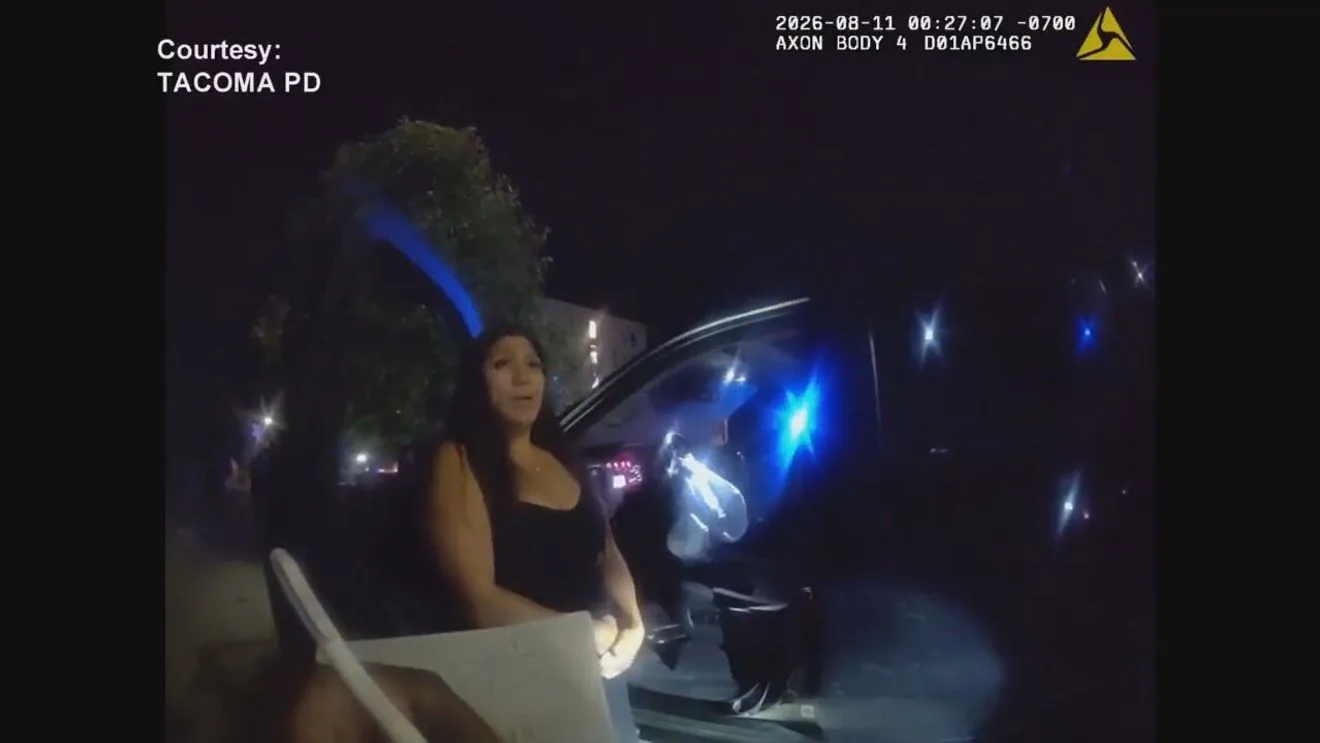
According to the lawsuit, Lipps was watching her neighbor’s children on July 14, 2025, when she looked outside and saw about a dozen officers outside her home. Some officers were pointing guns at her, the filing says, and she walked out with her hands raised.
She said she heard officers shouting about North Dakota but did not understand why they were there. The lawsuit says she was charged with eight felonies, including a count that carried a possible 10-year prison sentence. From that point, Lipps says, she was taken from her family and held while trying to understand what she had been accused of doing.
Her lawyer, Eric Rice, said the experience was especially painful because it stretched on for months and kept her away from family events and holidays. He said the computer took only moments to suggest her face, while it took months for Lipps to show she was elsewhere when the crimes happened.
Fargo investigators and the bank fraud probe
Police in the Fargo area were investigating several bank fraud cases from April and May 2025. Investigators said a woman used stolen identities and false identification to withdraw money from banks, and that facial-recognition technology later identified Lipps as a possible lead.
The lawsuit says that lead was treated too seriously. Rice said investigators should have checked whether Lipps had any connection to North Dakota, whether she was in the area at the time of the thefts, and whether bank employees could identify her before anyone sought an arrest warrant.
Instead, the filing says, police failed to do that legwork. Lipps’ attorneys argue that the case shows the danger of letting a computer-driven suggestion replace an old-fashioned investigation, especially when a person’s liberty is at stake.
Questions about the photo that was fed into the system
Lipps’ attorneys say they are still trying to determine how her photograph ended up in the facial-recognition database, which tool was used and what exact image officers submitted for comparison. They believe one of her social media photos may have been searched by the system.
They also say the image used for comparison did not come from surveillance video of the alleged bank thief. Instead, they allege police used the photo printed on a false identification card that had been presented during the fraud scheme.
Rice said that raises a basic question: police may have asked a computer to identify a woman without knowing whose face was on the fake ID. The lawsuit says that kind of uncertainty should have stopped the case from moving forward until officers had stronger proof.
Bank records and other evidence Lipps says cleared her
The lawsuit says Lipps’ bank records showed she was in Tennessee when the North Dakota crimes took place. Her attorneys say those records should have been enough to make officers question whether she was the right person.
Rice said investigators also should have checked her travel and financial records and compared them with the timeline of the bank fraud. The filing says none of that happened before the warrant was sought.
He said the failure was not a complicated scientific mistake but a basic investigative miss. In his view, officers skipped the simple checks that could have shown the suspect was not in the same place as Lipps when the crimes occurred.
Charges dropped and lawsuit now pending in federal court
Prosecutors dismissed all charges on Dec. 24, 2025. Fargo police later said an inaccurate facial-recognition result contributed to Lipps’ wrongful identification, and the department has since announced new policies and training for facial-recognition use.
Lipps’ lawsuit accuses Detective Lucas Heck, the City of Fargo and the Fargo Police Department of false arrest, malicious prosecution and violations of her constitutional rights. The city has said it does not comment on pending litigation.
Rice said the $10 million demand reflects the harm Lipps says she suffered after being taken at gunpoint, jailed and separated from her family. The claims have not yet been tested in court.