DES MOINES, IA — Cellphone records and license plate readers helped Des Moines police find a 17-year-old girl safe in Virginia after she disappeared from her home and traveled more than 1,000 miles with a 32-year-old man, authorities said.
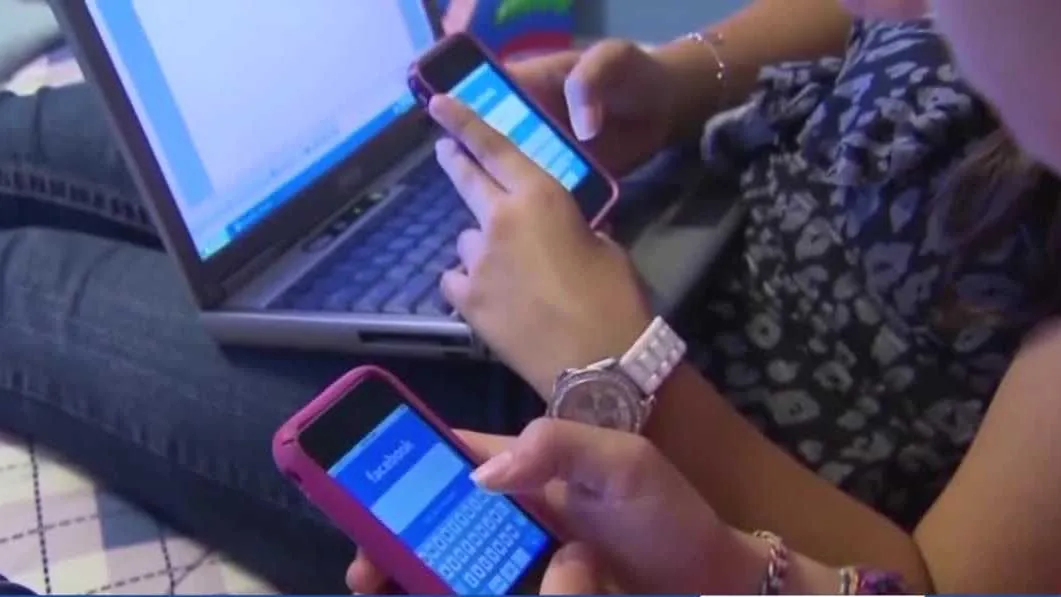
Police said the teen left voluntarily on Saturday with the man, whom she met through TikTok. Investigators later matched digital information with vehicle data and narrowed the search to a townhouse in Virginia, where local authorities took the girl into custody and detained the man.
Police say TikTok contact and a rental truck started the search
Des Moines police said the girl had been in contact with the man through TikTok before leaving home. Her cellphone was left behind, which forced investigators to rely on other evidence to track where she might have gone.
When police first shared information about the case on Sunday, they released a photo of the truck believed to be involved. The image showed the make and model, but not the full license plate. Sgt. Paul Parizek said that limited detail made the photo less useful on its own.
Even after investigators identified the full plate, the vehicle was still difficult to trace because it was a rental. That pushed police to ask the public and other agencies for help spotting the truck through license plate readers.
How investigators matched cellphone information to the Virginia location
Police said the breakthrough came from combining the man’s cellphone information with license plate reader hits. Investigators said they were able to obtain the phone data because of the TikTok connection and then compare it with where the truck had been seen.
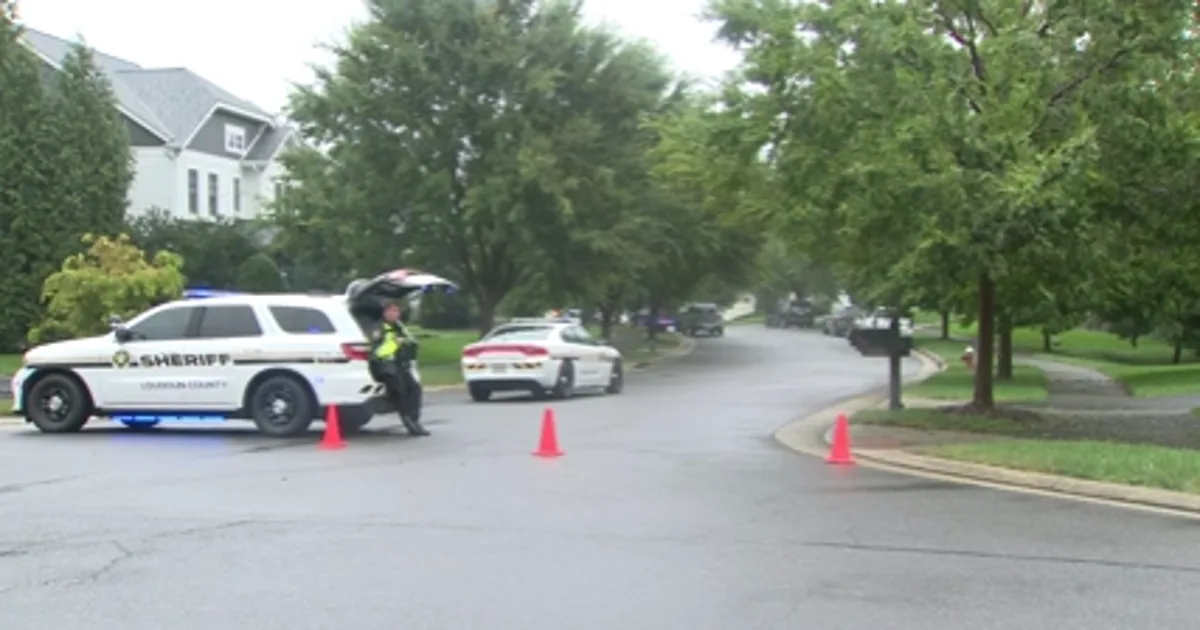
A Des Moines detective who specializes in cellphone analysis used that information to identify a townhouse in Virginia. Police said the digital trail was strong enough to point officers to the exact location where the teenager was found.
Parizek said the coordination with authorities in Virginia happened quickly once the address was identified. Within minutes, he said, local officers had the juvenile in custody, had detained the man, and confirmed the girl was safe.
Authorities praise the technology that narrowed the case
Parizek described the outcome as a case where technology did the heavy lifting. He said the combination of cellphone data, vehicle information and reader systems gave investigators the path they needed when more visible clues were missing.
Because the teen did not have her phone with her, police had to work around the absence of one of the most common pieces of evidence in a missing-person case. The truck photo helped create a starting point, but the full investigation depended on digital records and alerts from readers along the way.
Police said the case showed how quickly investigators can move once multiple data sources line up. It also showed the limits of a single clue, especially when a vehicle is a rental and the initial image does not include enough of the plate to identify it immediately.
Iowa attorney general links the case to online child safety concerns
Iowa Attorney General Brenna Bird pointed to the case as an example of why technology companies should do more to protect children who use their platforms. She said companies that market to young people need to keep them safe online and be clear with parents about who can contact their children through app features.
Bird said her office has spent nearly three years suing TikTok over allegations that the platform is addictive. She said she intends to keep pursuing the company in court. Her comments came as the Des Moines case drew attention to how an online connection can lead to real-world risk.
Police did not say the case involved any criminal conduct by TikTok itself, and no company response was included in the update from KCCI. The focus from investigators remained on how the girl was found and how the search unfolded.
Police urge parents to keep talking about online danger
Des Moines police used the case to reinforce a message they say they often share with families: talk regularly about online safety. Parizek said those conversations are not about treating children like they cannot make decisions for themselves, but about helping them stay safe.
He said parents should keep discussing who children are talking to online and why those contacts matter. In this case, investigators said the teenager had met the man on TikTok before leaving with him, making the online relationship central to the investigation.
Police said the man was arrested in Virginia and charged with contributing to the delinquency of a minor. Investigators said additional charges could be filed in Des Moines as the case continues.
What happens next in the investigation
With the teen recovered, investigators are now continuing their work across state lines. Police said the Virginia arrest addressed the immediate concern of locating the girl, but the case is not finished and more charges remain possible.
Authorities have not released the man’s name. They also have not said whether the Des Moines investigation will add new allegations beyond the Virginia charge. For now, police say the main priority was getting the teenager home safely and securing the person they believe took part in her departure.
The case also left police emphasizing a broader point for families: when a child connects with someone online, the interaction can move from an app to a physical location very quickly. In this instance, investigators said the combination of human reporting and digital tracking made the difference.